Resources & Offerings
Free Clinical Resources & Worksheets
The worksheets below are tools I use regularly in my own practice during the early phases of trauma therapy. I'm sharing them here for fellow therapists to use, adapt, and bring into their work with clients. Each one is designed to support nervous system education, self-awareness, and stabilization — particularly useful in the preparation and resourcing phases of EMDR.
Click the link to download each PDF.
Window of Capacity and Presence (aka “window of tolerance”) — get to know how your nervous system responds to stress and how this has protected you and kept you safe
TICES *! Log— for tracking triggers, warning signs, and early stress responses
Sensory Profile — for identifying preferences and creating accessible tools for in the moment support
Creating a Container — a place to store past memories and intrusive, unwanted thoughts until it is safe enough to address them with a trusted support
Interested in integrating somatic and body-based tools more deeply into your EMDR practice? Learn more about EMDR Consultation.
FOLLOW @embodied.emdr.therapist on instagram for latest resources and offerings!
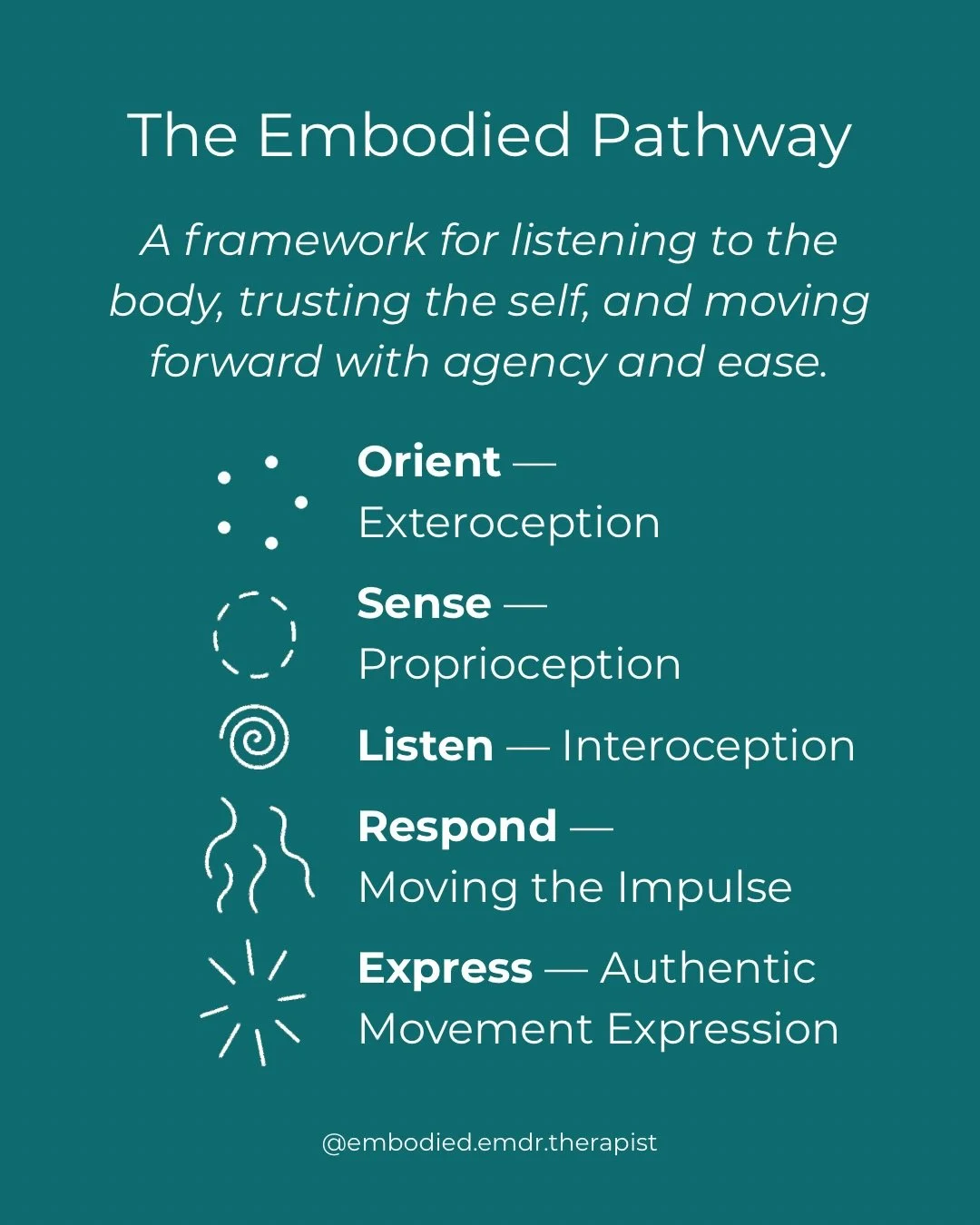
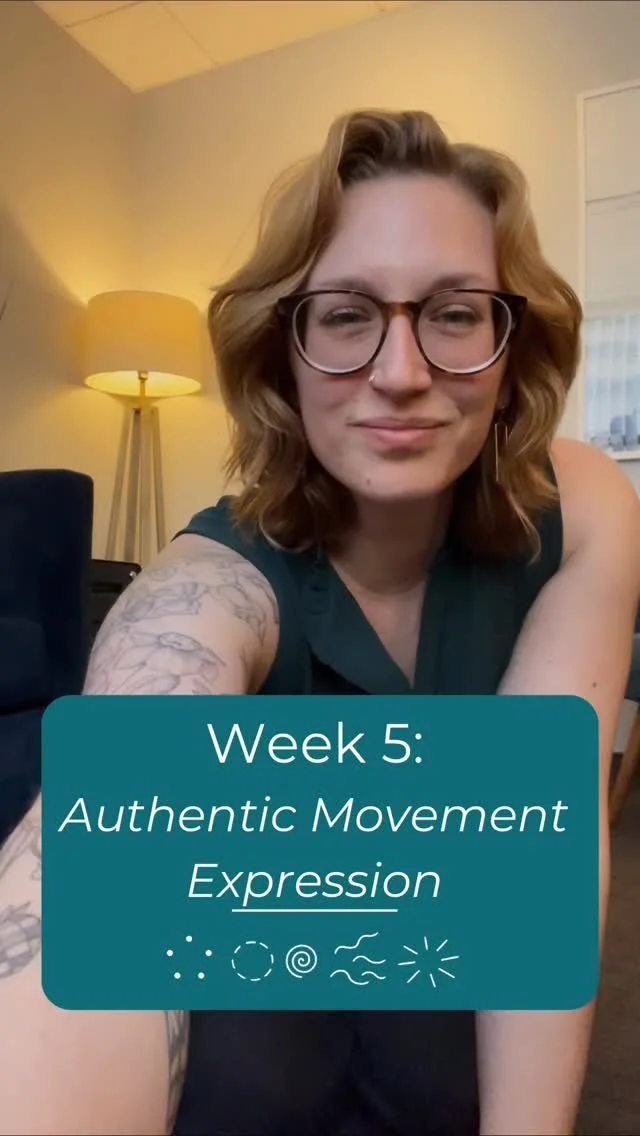
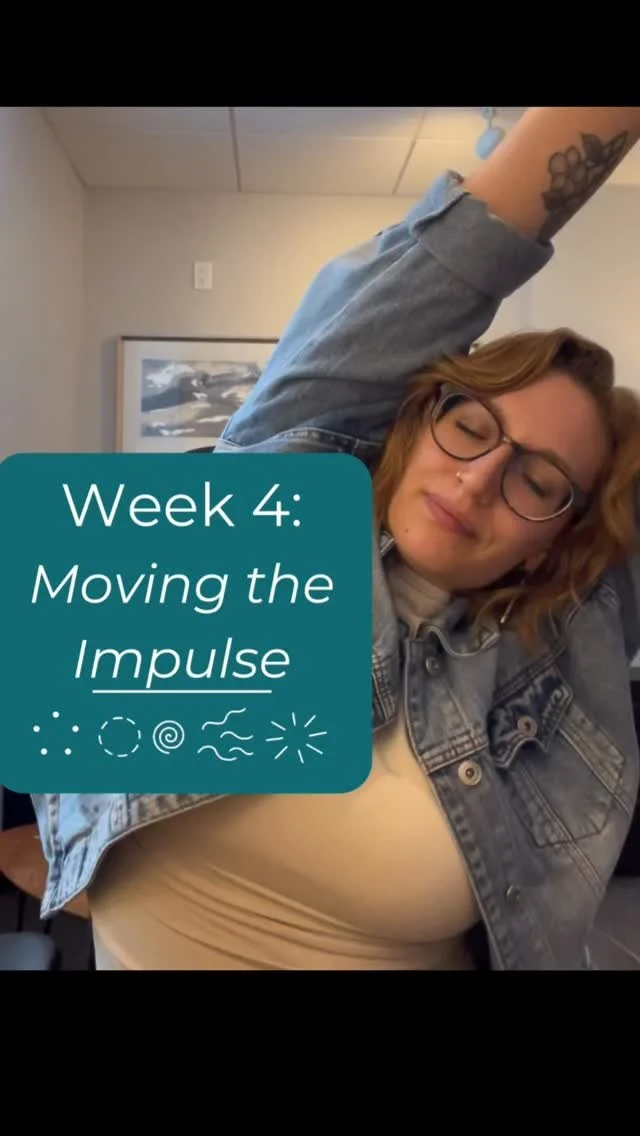
Click on the image of interest to be redirected to my instagram for more information.



Past Offerings & Events
In addition to my therapy and consultation practice, I periodically offer workshops, trainings, and community events that bring nervous system education and embodied tools into everyday spaces. Past offerings include:

(rescheduled to) March 1st at 5pm
This workshop blends breath work, mindful movement, and accessible nervous-system education to help you better understand your body’s stress and energy cycles. Learn how to mobilize when you need activation and how to downshift when you need calm. You’ll leave with embodied tools that can help you feel more anchored, empowered, and in control during barre3 class and beyond.